
Preparing for a Firearm Qualification Course: Key Tips

Preparing for a firearm qualification course requires diligence, practice, and the right mindset. Whether you are a novice or have some experience, understanding how to prepare can make a significant difference in your performance. This post aims to equip you with essential tips to help you succeed in your training endeavors.
Understanding Firearm Training
Firearm training is a crucial aspect of responsible gun ownership and usage. It not only teaches the basic mechanics of handling a firearm but also instills a sense of safety and responsibility. Proper training equips you with the skills to handle firearms confidently. A well-structured firearm qualification course can help reinforce these skills while assessing your proficiency under real-life scenarios.
To ensure you get the most from your training, keep the following tips in mind.

Create a Study Plan
As with any new skill, a systematic approach can lead to better results. Creating a study plan ensures that you cover all necessary areas before the day of your qualification. Break down your preparation into manageable steps:
Assessing Your Current Skills: Evaluate where you currently stand. Are you familiar with safe handling and operation? If not, focus on these fundamentals.
Setting Goals: Define what you want to achieve by the end of your course. This could include specific scores, comfort levels, or skills.
Scheduling Practice: Consistent practice is key. Determine how often you can dedicate time to train, and stick to your schedule.
What is the hardest pistol qualification?
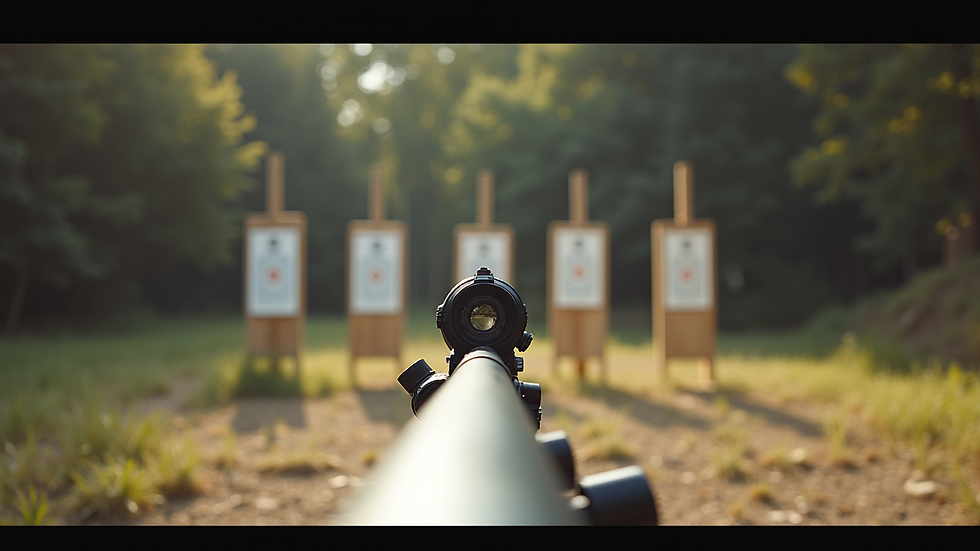
One often-discussed topic in firearm training circles is the hardest pistol qualification. Many enthusiasts point to the FBI Qualifying Course as one of the most challenging standards. It requires shooters to engage targets at various distances while adhering to time constraints. The course encompasses the following specifics:
Distance: Engaging targets from 3 to 25 yards.
Difficulty: It combines different shooting positions, including standing, kneeling, and prone.
Scoring: Shooters must score at least 80% to pass, causing many to struggle to reach that benchmark.
This challenging qualification emphasizes the importance of focus and accuracy, making it suitable for those seeking advanced training.
Focus on Stance and Grip
A proper stance and grip are the foundations of accurate shooting. Here’s how to perfect both:
Stance: Adopt a balanced position. Feet should be shoulder-width apart with your dominant foot slightly back. Lean slightly forward to help control recoil.
Grip: Ensure a firm yet relaxed grip on the firearm. Your dominant hand should hold the grip, while the support hand reinforces it from the side. Avoid a “death grip” – being too tense can affect accuracy and control.
Spend time practicing your stance and grip without firing to build muscle memory. Being comfortable can drastically improve your shooting performance.
Mental Preparation
Mental preparedness is as critical as physical training when it comes to firearm qualification courses. Here’s how to improve your focus and confidence:
Visualization: Before the course, take time to visualize success. Picture yourself handling the firearm safely and accurately. This mental exercise prepares you for the real situation.
Stress Management: Qualification courses can be stressful. Adopt techniques such as controlled breathing, meditation, or even light stretching to manage anxiety on the day of shooting.
Mindset: Approach the qualification with a growth mindset. Understand that making mistakes is part of the learning process, and focus on your improvement rather than perfection.
Practice with Purpose
While mere practice can be beneficial, practicing with purpose can yield better results. Here’s how to make your practice sessions more effective:
Target Drills: Set up specific drills that mimic the qualification scenarios. This could involve shooting from different positions or distances.
Time Constraints: Implement timed shooting exercises to simulate qualification conditions. This practice helps you manage your time effectively during the actual course.
Feedback Loop: Record your sessions or have an instructor observe your performance. Constructive feedback is invaluable for growth.

Familiarize Yourself with Course Requirements
Before attending the firearm qualification course, it’s essential to familiarize yourself with the specific requirements of the course. Each course may have different standards, but here are some common elements to review:
Equipment Check: Know what equipment you'll need, including the type of firearm, ammunition, and any protective gear required.
Documentation: Ensure you have the required documentation, such as identification and any prerequisites necessary for enrollment.
Course Format: Understanding the format—whether it’s strictly paperwork, practical shooting, or both—will help you prepare adequately.
Staying informed about the course will enhance your confidence and help you manage expectations.
Build a Support Network
As you prepare, consider building a support network. Whether this involves experienced shooters, instructors, or friends, having a reliable support system can provide encouragement and guidance.
Find a Mentor: Look for someone who has experience with qualification courses. Their insights can help you navigate your preparation.
Join Groups: Engaging with local shooting clubs or online forums allows you to share experiences, gain tips, and find practice buddies.
Accountability: Training with others holds you accountable. A partner can motivate you to stick to your practice schedule while also offering feedback and support.
Preparing for a firearm qualification course takes effort, but with the right approach, you can achieve success. By focusing on skills, mental preparedness, and practical training, you will be ready to take on the challenges of your qualification day.
Embrace Continuous Improvement
Even after your qualification course, the journey of firearm training does not end. Embracing a mindset of continuous improvement is vital for becoming a proficient shooter. Here’s how:
Regular Practice: Make a routine of practicing regularly, even after you feel confident in your skills. This will help retain your reflexes and accuracy.
Advance Training: Consider enrolling in advanced courses. Learning new techniques or specific skills, such as tactical shooting or defensive strategies, can broaden your expertise.
Stay Informed: Keep yourself updated on firearms safety, laws, and novel techniques. The firearm community is ever-evolving, and staying informed is essential.
As you continue your firearm training journey, remember that continual growth not only enhances your skills but also ensures that you engage with firearms responsibly and confidently. By preparing thoroughly for your course, you develop habits that promote safety and proficiency both on and off the range.


